

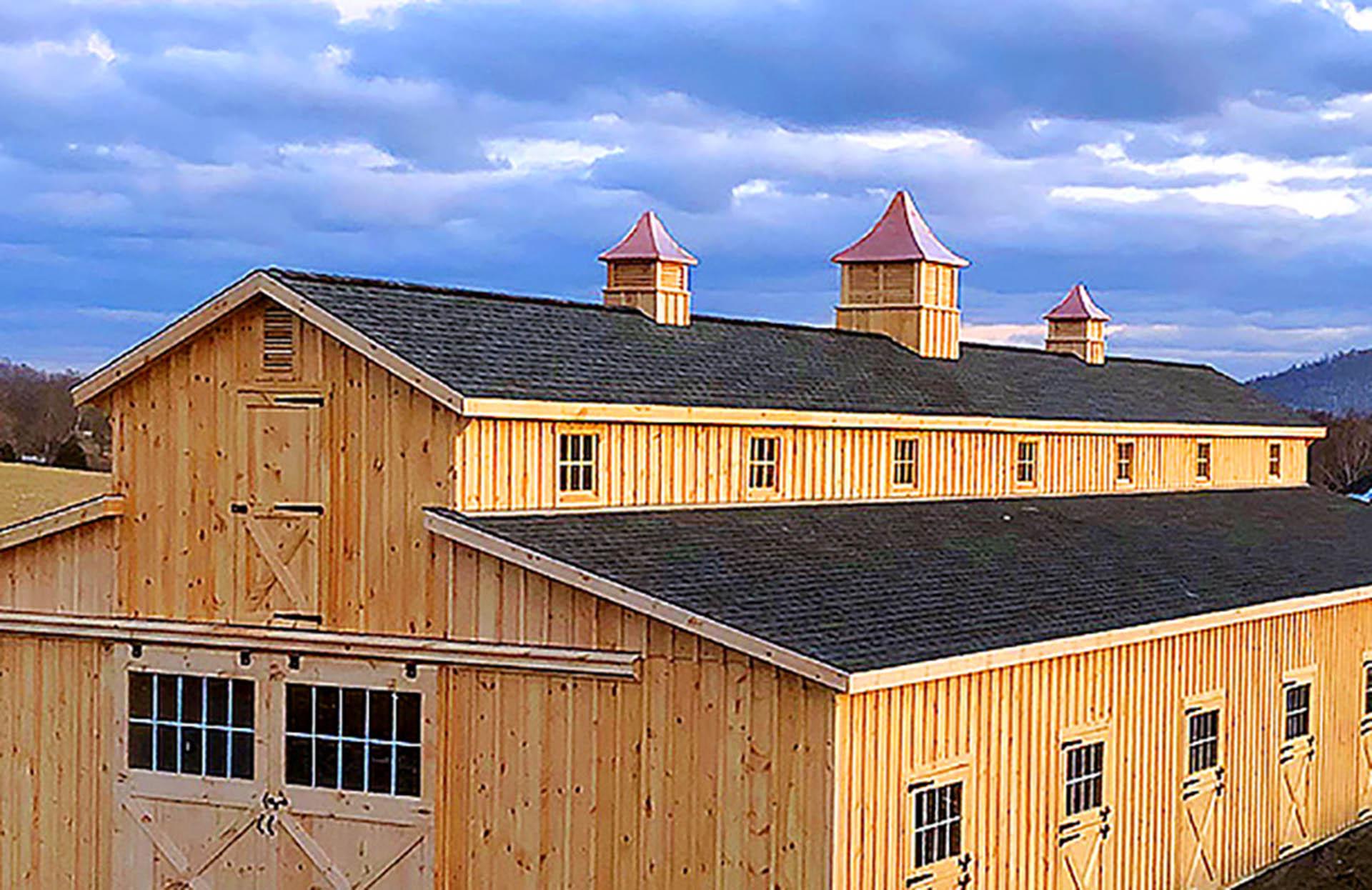
Cupolas are an architectural gem that has adorned buildings for centuries, adding a touch of elegance, charm, and functionality. These distinctive structures not only enhance the aesthetics of a building but also serve practical purposes like ventilation, natural light provision, and crowning architectural design. Whether you’re planning to elevate the look of your home, barn, garage, or gazebo, understanding the basics of cupolas is crucial before making a purchase. In this comprehensive guide, we’ll delve into everything you need to know about designing, selecting, and installing cupolas.
What Exactly Are Cupolas?
Cupolas are small, dome-like structures typically found atop the roof of a building. Traditionally used in barns, churches, and public buildings, cupolas have evolved into a versatile architectural feature, becoming popular in residential properties as well. These structures are usually made of materials like wood, vinyl, copper, or steel and come in various shapes and sizes.
Design Considerations
Before purchasing a cupola, consider the following design elements:
Size and Proportion:
The size of the cupola should complement the building’s architecture. It shouldn’t overpower the structure but rather enhance its visual appeal.
Material Selection:
Choose a material that aligns with your building’s style and climate. Wood offers a classic look, while copper provides durability and a unique patina over time.
Style and Aesthetics:
Cupolas come in a range of styles, from traditional to modern. Consider the overall design and select a cupola that harmonizes with it.
Ventilation and Functionality:
Some cupolas are designed with louvers or windows to allow for ventilation and natural light. Assess if this functionality aligns with your needs.
Where to Find Cupolas For Sale
Finding cupolas for sale can be done through various avenues:
Online Retailers:
Browse through online stores specializing in architectural elements and roofing supplies.
Local Hardware Stores:
Some hardware stores or specialty shops may carry cupolas.
Specialty Manufacturers:
Seek out manufacturers specializing in cupolas who might offer customization options.
Installation Process
Installing a cupola requires careful planning and execution. Here’s an overview of the installation process:
Prepare the Roof:
Ensure the roof is structurally sound to support the cupola’s weight. Locate the center point where the cupola will be placed.
Assemble the Cupola:
Follow the manufacturer’s instructions to assemble the cupola components. This typically involves attaching the base and roof sections.
Secure the Cupola:
Place the cupola onto the predetermined spot on the roof and secure it using appropriate fasteners. Seal the edges to prevent leaks.
Final Touches:
Once the cupola is securely in place, make any necessary adjustments and ensure it is level. Finish by painting or sealing the cupola if needed.
Maintenance and Care
Proper maintenance ensures your cupola retains its beauty and functionality for years to come:
Regularly inspect for damage, especially after severe weather conditions.
Clean the cupola’s surfaces to prevent dirt and debris buildup.
Apply a protective coating or paint as required to maintain its appearance and protect against weathering.
Conclusion:
Cupolas are more than just decorative elements; they serve both aesthetic and functional purposes in architecture. Understanding the design considerations, installation process, and maintenance requirements are essential steps in choosing the perfect cupola for your building. Whether you’re looking to add a touch of elegance to your home or enhance the functionality of a barn, a well-chosen, and properly installed cupola can be a striking addition to any structure.
About The Author